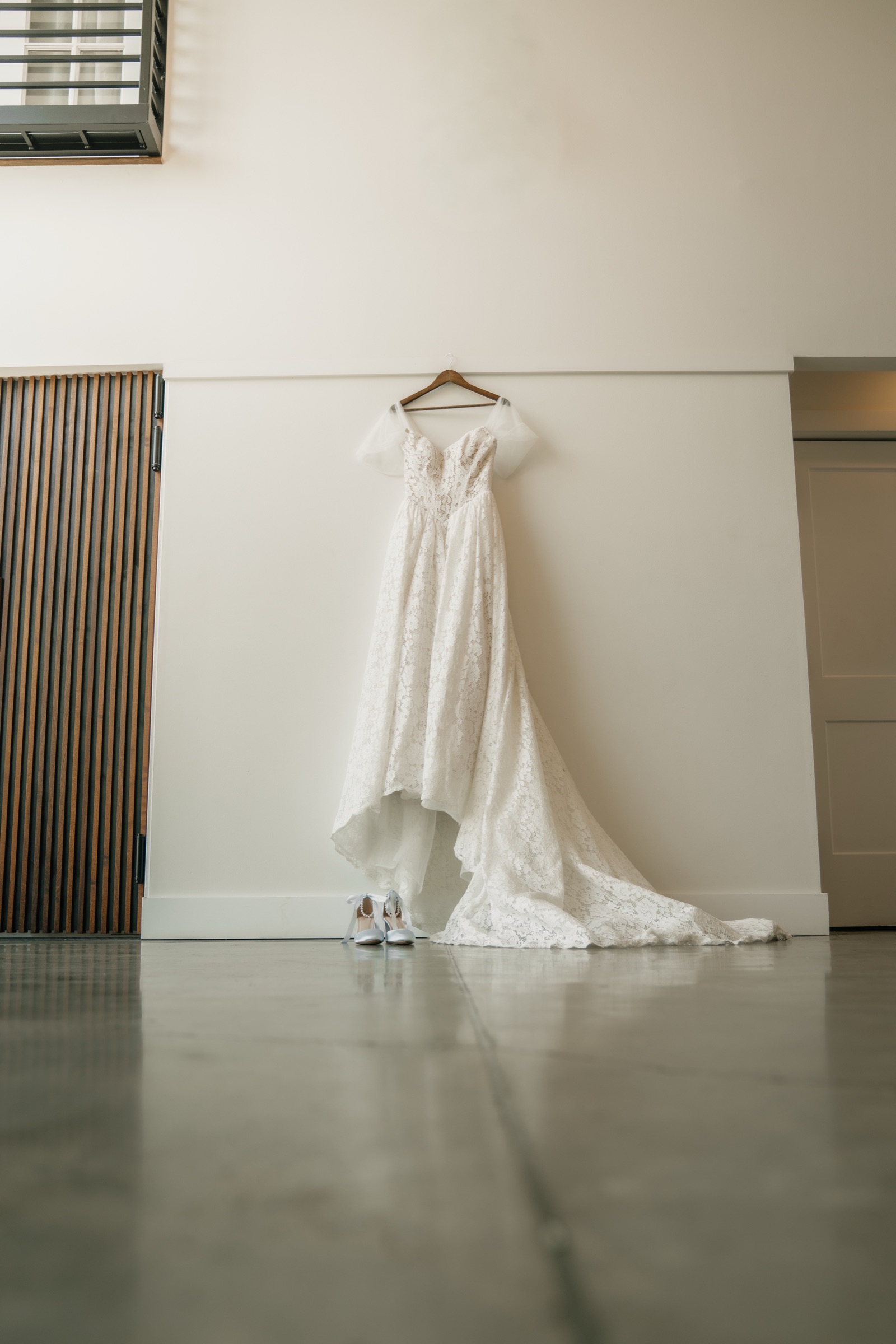
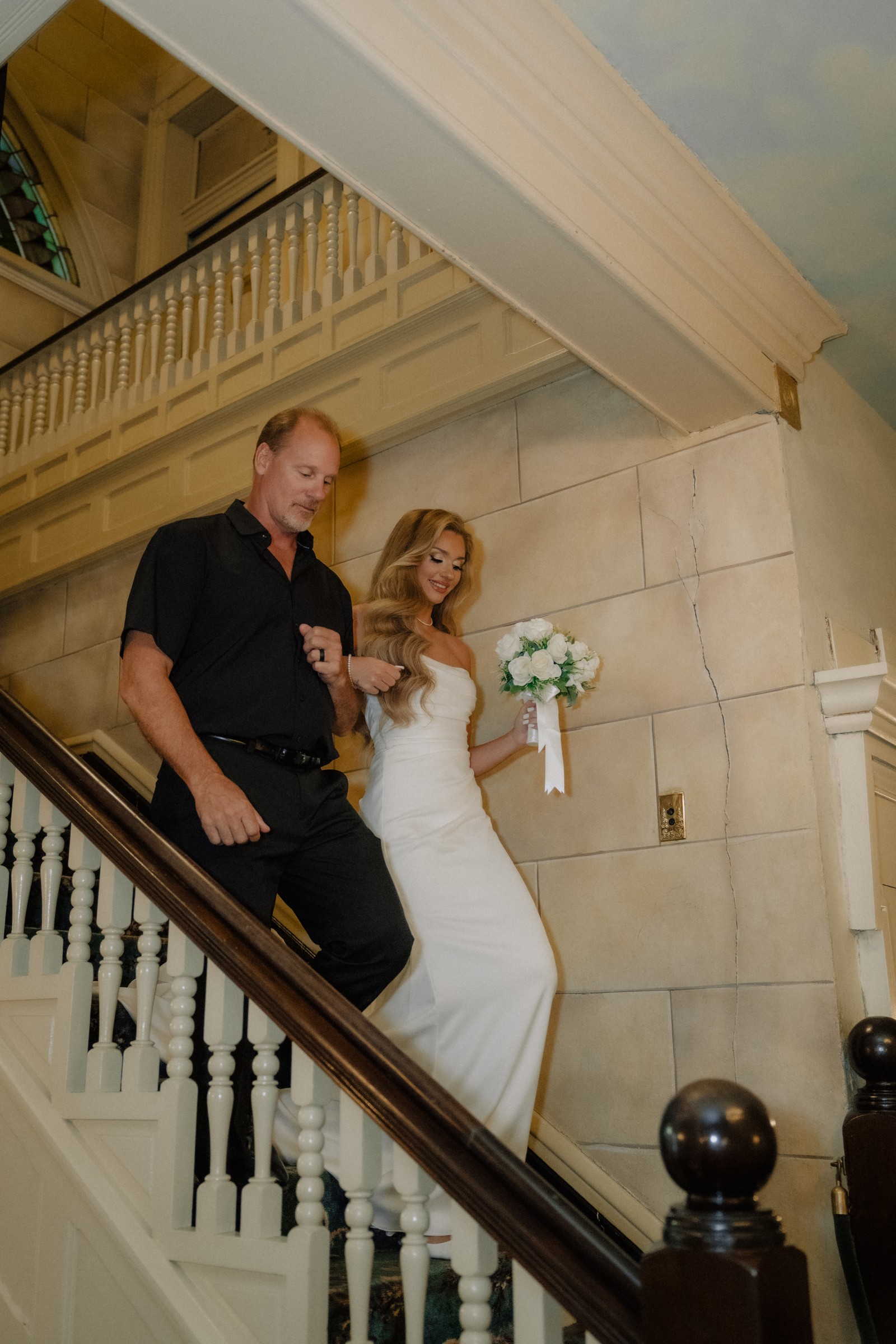
We build a personalized timeline for every couple we photograph — it’s included in every collection, and it’s honestly the most valuable thing we do before the wedding itself. Here’s the version we’d give you for free, because a day that runs on time produces better photographs than a day that doesn’t.
How long things actually take
- Getting ready — 60 to 90 minutes. Most of this is detail shots, the dress, and the moment you actually put it on. Build a buffer; hair and makeup run late at almost every wedding we’ve shot.
- First look — 20 minutes. Ten for the moment, ten for the portraits right after, when you’re both still loose.
- Couple portraits — 30 to 45 minutes. This is the block people cut first and regret most.
- Wedding party — 20 to 30 minutes. Longer if the group is big or anyone has to be found.
- Family formals — 3 minutes per grouping. Not per person. Ten groupings is thirty minutes, and it goes faster with a list and one loud aunt.
- Ceremony — however long it is, plus 15 minutes. They never start on time.
- Sunset portraits — 15 minutes. Worth interrupting your own reception for. We’ll come get you.
The two decisions that cause almost every late wedding
1. Skipping the first look without adding time. A first look is not about tradition — it’s about math. Do one and most of your portraits happen before the ceremony, which means cocktail hour is yours. Skip it and every portrait, every family grouping, and every wedding party photo has to fit into the same hour your guests are drinking. That’s fine if you plan for it. It’s a disaster if you don’t.
2. Underestimating travel. If getting ready, the ceremony, and the reception are in three places, every move costs you twenty to thirty minutes once you account for a wedding party finding their shoes. Count it honestly.
A sample 8-hour timeline
- 1:00 — Coverage begins, details and getting ready
- 2:30 — Into the dress
- 3:00 — First look and couple portraits
- 3:45 — Wedding party
- 4:15 — Hide away, guests arrive
- 5:00 — Ceremony
- 5:30 — Family formals, then cocktail hour
- 6:30 — Entrances, dinner, toasts
- 7:45 — Sunset portraits (15 minutes, we’ll grab you)
- 8:15 — Dancing
- 9:00 — Coverage ends, or the exit
The part people get wrong about coverage hours
Hours aren’t about how long you want a photographer around. They’re about which parts of the day get documented. Six hours generally covers getting ready through the first hour of dancing. Eight adds real breathing room and a proper sunset. Ten gets you the whole thing including the exit. We wrote a longer piece on choosing between 6, 8, and 10 hours if you’re deciding.
And if you’ve booked us, you don’t have to do any of this alone — tell us your ceremony time and we’ll build the whole thing around it.
Like the Journal? Follow us on Google