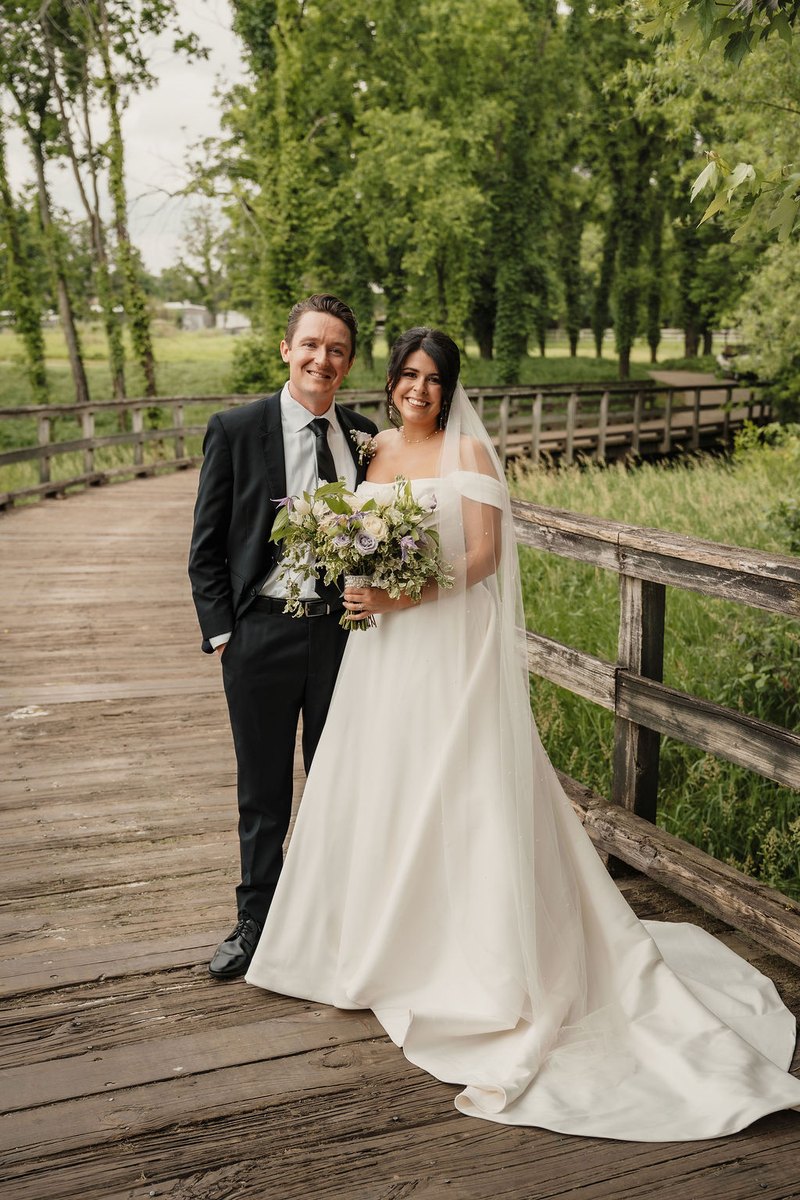
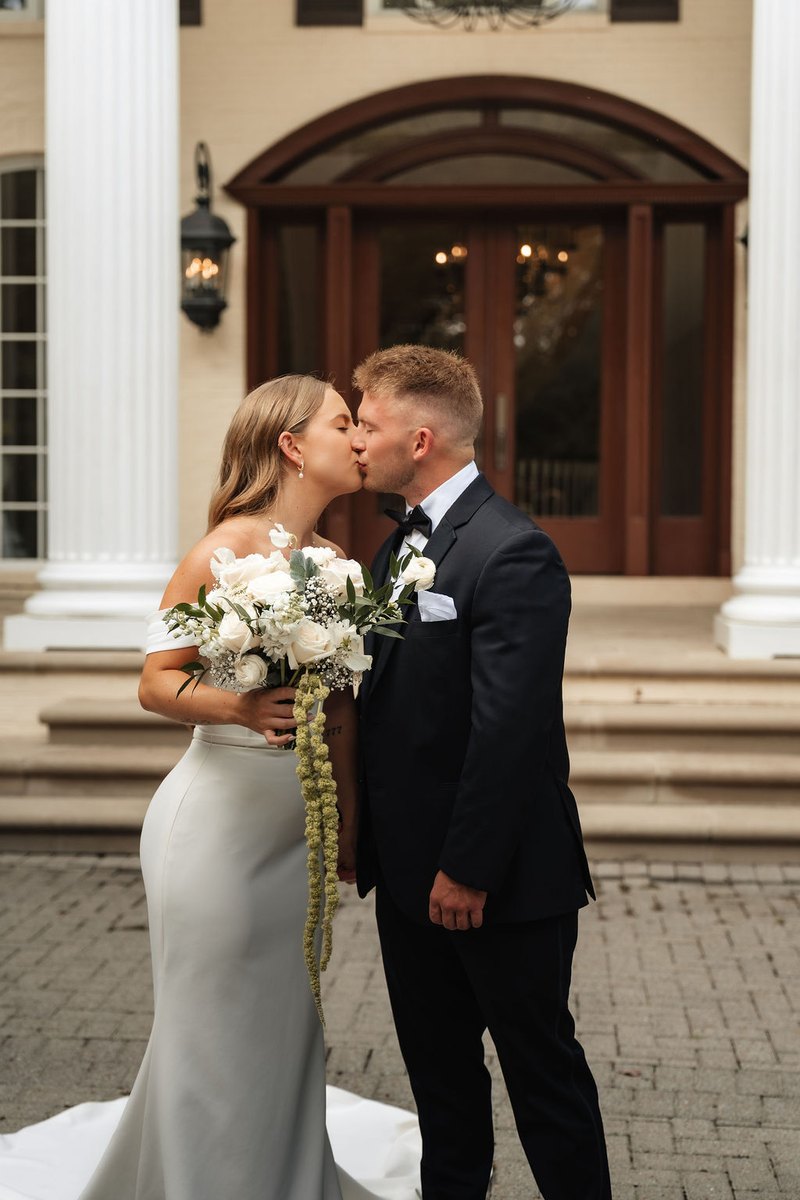
Bias on the table first: we shoot both, so we have an obvious stake in how this comes out. But we’ve also worked alongside a lot of videographers we genuinely liked, on days that went beautifully — and a few that got tense in ways the couple could feel. The pattern was never about talent. It was about whether two people had ever spoken before they were standing three feet apart during the first look.
So here is the honest version, including the part where hiring two vendors is completely fine.
The problem isn’t the second vendor
Almost every photographer-and-videographer horror story gets told as though someone was bad at their job. That’s rarely it. Two excellent professionals still have to share one narrow set of resources on a day that cannot be run twice: the same angles, the same light, the same fifteen minutes of golden hour, and the same two people’s attention.
That shared space is the seam. When it’s planned, you never notice it existed. When it isn’t, it doesn’t blow up — it just quietly costs you a few of the frames you were most looking forward to.
What actually goes wrong
These are the specific, unglamorous ones we see. None of them require anybody to behave badly:
- Split eyelines during portraits. This is the most common one and the easiest to see afterward. Two people are giving direction, so you’re looking slightly off-camera in the photos and slightly off-lens in the film. Nobody did anything wrong. There were just two voices.
- The ceremony exit. There is usually exactly one good position for it, it lasts about nine seconds, and it cannot be repeated. Two people who haven’t discussed it will both go for it.
- Light that fights. Video needs continuous light; photography often uses flash. Both are correct on their own. Together, without a conversation, you get video with a strobe pop in it or photos lit by somebody else’s panel.
- Audio nobody planned for. A videographer needs microphones on the groom and the officiant, usually during the exact window a photographer wants him for portraits. Small conflict, but it lands on your morning.
- One timeline, built by one of them. If your photographer built the schedule and your videographer never saw it, there may be no time budgeted for the shots they promised you.
- Two versions of the same day. Photos back in six weeks with a warm, film-leaning grade; a film back months later with a cooler, more saturated one. Both can be lovely and still feel like two different weddings.
The tricky part is that when this goes well it’s invisible, so you can’t research it. Nobody writes a review that says the two vendors coordinated their positions for the exit.
Option 1: one team for both
The simplest fix is structural. One team means one timeline, one set of priorities, and one person calling direction during portraits, so your eyeline goes to the same place in the photos and the film. The lighting plan is decided once. The color treatment matches, because the same people are grading both. And if something runs late — it will — the whole coverage adjusts together instead of two vendors separately deciding what to sacrifice.
It’s also usually cheaper than booking the two separately, because it’s one crew and one travel day rather than two of everything. Our bundle numbers are public on the pricing page, and if you’re still deciding whether you want a film at all, we wrote the honest version of that answer too — including who we think should skip it.
Option 2: two vendors who’ve actually met
Plenty of couples have already booked a photographer they love and a videographer they love, or they’re hiring a friend, or the two crafts genuinely pull them in different directions. That’s a real choice and it works — as long as you close the seam yourself. It takes about twenty minutes total.
- Introduce them by email the week you book the second one. Not the week of the wedding. One thread, both names, so they’re not strangers.
- Ask each of them, directly: “have you worked together before, and are you comfortable sharing positions?” You will learn a lot from the tone of the answer. Good vendors are relieved you asked.
- Make sure they’re working from one timeline that both have read and both have signed off on — not two documents that mostly agree.
- Get five minutes on the morning of. Just the three points that matter: who leads the first look, who takes which side of the aisle, and where each of them stands for the exit.
- Decide who directs during portraits. One voice. The other can absolutely ask for what they need — just not at the same time.
- Ask both about delivery timelines up front, so a six-week gallery and a six-month film isn’t a surprise.
Do those and the two-vendor version is genuinely great. Skip them and you’re asking two people to improvise a shared plan in front of your guests.
The one question that tells you early
If you’re interviewing either vendor, ask this: “how do you usually work with the other one?”
You’re not testing for a right answer. You’re listening for whether they’ve thought about it at all. Someone who immediately talks about positions, lighting, and who calls direction has done this deliberately many times. Someone who says “oh, we just figure it out day-of” might still be excellent — but now you know the coordinating is yours to do, and you can go do it.
Whichever way you go, the thing to protect is the seam, not the vendor count. If you want to talk it through — including if you’ve already booked someone else for one half and want a second opinion on making it work — send us your date. We’ll be straight with you.
Like the Journal? Follow us on Google